
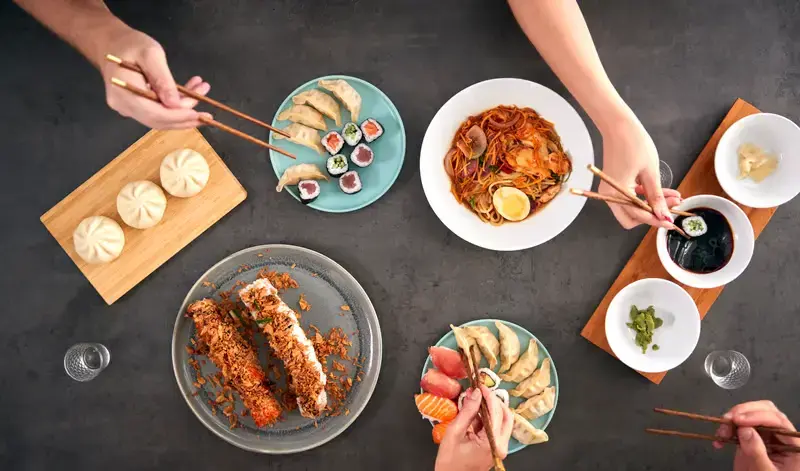
You push open a restaurant door and the world changes. The air smells of toasted spices, sizzling garlic, or fresh bread. Someone is laughing in a language you do not speak, and a plate of something unfamiliar passes by like a small mystery. Your stomach rumbles, and so does your curiosity. Then comes the hesitation. What should I order? Is this place authentic? Will I do something wrong? Almost every curious eater has felt that mix of excitement and nerves. This international restaurants guide is written to turn that nervous moment into a confident one. It explores why global food moves us, offers a tour of major cuisines, shows how to find trustworthy places, explains how to read a menu, covers etiquette and dietary safety, and shares advice from people who cook and travel for a living. Come hungry, and bring an open mind.
The Table That Feels Like a Passport
Not everyone can afford a plane ticket whenever wanderlust strikes, but almost anyone can sit down at a table and travel a little. A bowl of pho, a plate of injera with stews, or a tray of mezze can carry you somewhere far away for an hour. That is the quiet magic of international dining. It lets us taste a place before we ever see it, and it often becomes the reason we later go.
Beyond adventure, there is comfort. For many people who live far from home, a restaurant serving their native food is a rare slice of belonging. Others find in global cuisines a way to understand neighbors, coworkers, and friends. Whether you are an experienced foodie or someone who usually orders the same thing, there is room here for you. Curiosity is the only requirement, and it grows with every new dish.
Why Eating Internationally Changes the Way We See the World
Food is never only food. It carries history, climate, trade routes, religion, and family stories. Learning to appreciate it deepens how we understand people.
Food as Memory, Migration, and Identity
Many of the world’s best-loved dishes are the result of movement. Chili peppers traveled from the Americas to Asia and Africa after the sixteenth century, transforming cuisines that now seem impossible without them. Tomatoes, also from the Americas, became central to Italian cooking only after arriving in Europe. Spices moved along ancient trade routes, shaping the flavors of the Middle East, India, and Southeast Asia. Immigrant communities then carried recipes across oceans and adapted them to local ingredients. Chinese restaurants in the United States, Indian curry houses in Britain, and Lebanese cafes in Brazil each tell stories of resilience and reinvention. When you eat in these places, you taste memory, and you honor the people who held on to it.
What Research and Culture Teach Us About Shared Meals
Researchers who study eating habits have found that sharing meals is linked with stronger social bonds. Studies by the anthropologist Robin Dunbar and colleagues suggest that people who eat socially tend to feel happier and more connected to their communities, though such findings reflect associations rather than proof. Many cultures build social life around shared dishes, such as Spanish tapas, Ethiopian communal platters, Chinese banquet tables, and Korean barbecue. UNESCO has recognized a number of culinary traditions as Intangible Cultural Heritage, including Japanese washoku, the Mediterranean diet, Neapolitan pizza making, and Mexican traditional cuisine, which highlights how food and culture are deeply tied. Eating internationally is therefore a form of cultural learning, and it can build empathy in a way that few other experiences do.
A Tour of Major Cuisines and Their Signature Flavors
No guide can cover every cuisine, and each country contains many regional styles. Treat this tour as a friendly starting map rather than a complete atlas.
East and Southeast Asia: Japan, China, Thailand, Vietnam, and Korea
Japanese cuisine values seasonality, balance, and precision. Sushi and sashimi get the headlines, but ramen, tempura, izakaya small plates, and home-style dishes like miso soup and grilled fish deserve attention. The flavor backbone is umami, from dashi, soy, and miso. Chinese cuisine is enormously varied. Sichuan cooking is known for numbing and spicy flavors, Cantonese cuisine for delicate steaming and dim sum, and Shandong, Hunan, and Shanghai styles for their own signatures. Thai food balances sweet, sour, salty, and spicy, as in tom yum soup, green curry, and pad thai. Vietnamese food leans on fresh herbs, broths, and bright dipping sauces, with pho, banh mi, and fresh rolls as favorites. Korean cuisine features fermented foods such as kimchi, along with bibimbap, grilled meats, and stews that arrive with many small side dishes called banchan.
South Asia, the Middle East, and Africa
Indian cuisine is a family of regional traditions rather than one style. North Indian cooking highlights breads, tandoor grilling, and rich gravies, while South Indian food features rice, lentils, coconut, and dosa. Vegetarian dishes are abundant and deeply creative. Pakistani, Bangladeshi, and Sri Lankan cuisines add their own spice and character. Middle Eastern food offers hummus, falafel, grilled kebabs, flatbreads, and generous salads, with Lebanese, Turkish, Persian, and Israeli cuisines each distinct. Persian dishes pair rice with herbs, saffron, and slow-cooked stews. In Africa, Ethiopian cuisine centers on injera, a spongy fermented flatbread used to scoop up spiced stews called wot. Moroccan cooking is known for tagines and couscous, West African dishes like jollof rice and egusi soup bring bold, hearty flavor, and North African spice blends such as harissa add heat and depth.
Europe and the Americas: Italy, France, Spain, Mexico, Peru, and Beyond
Italian cuisine is regional at heart, with pasta, risotto, polenta, and seafood varying from north to south. Its strength lies in respecting excellent ingredients. French cuisine is celebrated for technique, from sauces to pastries, though bistros offer relaxed, comforting dishes too. Spanish dining brings tapas, paella, and late dinners, and Greek food offers grilled meats, olives, feta, and fresh vegetables. In the Americas, Mexican cuisine goes far beyond tacos, with moles, tamales, ceviche, and regional specialties tied to corn and chilies. Peruvian food has gained global attention for ceviche, Nikkei fusion, and diverse ingredients from the Andes, Amazon, and coast. Brazilian churrasco, Argentine grilled meats, Caribbean jerk dishes, and American regional barbecue each deserve a place on your list. Seek out regional restaurants when you can, because they often show the depth behind a national label.
How to Choose a Restaurant You Can Trust
Finding a good international restaurant takes a little detective work. Start with recent reviews, but read them thoughtfully. Look for details about specific dishes, service, and atmosphere, and pay attention to reviews from people who know the cuisine. A restaurant packed with diners from the community it represents is often a good sign, though not a guarantee. A short, focused menu usually suggests that the kitchen does a few things well, while a huge menu spanning many cuisines can signal a place that cooks from the freezer.
Authenticity is a slippery word. Cuisines evolve, and a dish adapted to local tastes is not automatically bad. What matters is quality, honesty, and care. Ask staff what they recommend, what is popular with regulars, and what is made in house. Check hygiene ratings where your city publishes them, and look at cleanliness, fresh ingredients, and kitchen visibility. Websites, social media, and local food guides can help, and food markets and street stalls with long lines often offer excellent value. Be cautious with places that rely only on flashy photos or pushy discounts. Trust your senses, because aroma, sound, and the mood of the room tell you a lot.
Reading the Menu Like a Local
Menus can feel like puzzles, but a few habits help. Look for sections, such as starters, mains, soups, and shared plates, since different cultures structure meals differently. Do not hesitate to ask about unfamiliar terms. Servers usually enjoy explaining dishes, and your curiosity shows respect. If you are unsure, order a few dishes to share, which lets you sample more while keeping risk low. Ask about spice levels, since heat in Thai, Indian, Sichuan, and Mexican food can vary widely, and many kitchens will adjust it.
Pay attention to specials, which often reflect seasonal ingredients and the chef’s pride. Learn a few key words in the cuisine, such as the names of staple dishes and cooking styles, because they unlock the menu. Understanding portion customs matters too. In many Asian and Middle Eastern restaurants, dishes arrive to be shared, whereas in Western settings each person may order an individual plate. When in doubt, ask how many dishes suit your group. Try something you have never tasted, even if only one dish per visit. Surprise is part of the joy.
Dining Etiquette Around the World
Good manners vary, and a little awareness shows respect. In Japan, it is polite to say itadakimasu before eating, avoid sticking chopsticks upright in rice, which resembles a funeral ritual, and not to pass food from chopstick to chopstick. Slurping noodles is accepted and even appreciated. In China, dishes are often shared, and it is courteous to serve elders first. In India and parts of the Middle East and Africa, eating with the right hand is common, and the left hand is traditionally considered unclean for eating. Wash your hands beforehand, and follow your host’s lead.
In Italy, ordering cappuccino after a meal raises eyebrows, and cheese on seafood pasta is often considered a faux pas, though locals are usually gracious with visitors. In France, bread is placed on the table rather than a plate, and meals unfold slowly. In many parts of Europe, you may need to ask for the bill, because staff will not rush you. Tipping customs differ widely. It is expected in the United States, often included in the bill in many European countries, and unnecessary or even awkward in Japan. Check local norms before you go. When unsure, observe others, ask politely, and remember that sincere respect matters more than perfection.
Dietary Needs, Allergies, and Safe Dining
Eating out with dietary needs is manageable with preparation. If you have a food allergy, communicate clearly and early. Tell the server which allergens to avoid and ask how dishes are prepared. Cross-contact can happen in shared fryers, pans, and utensils, and sauces often hide ingredients such as peanuts, sesame, shellfish, soy, wheat, or dairy. Peanuts and tree nuts are common in many Asian and African dishes, while fish sauce and shrimp paste appear in numerous Southeast Asian recipes. If an allergy is severe, consider calling ahead, choosing restaurants with strong allergen policies, and carrying prescribed medication such as epinephrine. When traveling, translation cards that explain your allergy in the local language can help.
For vegetarian, vegan, halal, kosher, or gluten-free diets, research cuisines that naturally accommodate them. Indian, Ethiopian, Lebanese, and Thai cuisines offer many plant-based dishes, though broth, ghee, or fish sauce may sneak in. Ask questions kindly and be specific. Religious dietary laws can be strict, so look for certified restaurants when needed. Food safety matters too. Choose busy places with high turnover, make sure hot food is served hot, be cautious with raw or undercooked items if you are pregnant, immunocompromised, or traveling in regions with different water safety, and wash your hands before eating. If symptoms of food poisoning appear, such as severe vomiting, fever, or bloody diarrhea, seek medical care.
Planning Culinary Adventures Near Home and Abroad
You do not have to travel far to explore. Start in your own neighborhood. Look for ethnic districts, food markets, and family-run places, and make a habit of trying one new cuisine a month. Visit grocery stores that specialize in a cuisine, and ask staff how to use unfamiliar ingredients. Cooking classes, food tours, and community festivals offer guided introductions and often include stories and history. Cooking a dish at home after a restaurant visit deepens understanding and appreciation.
When traveling, research the local food culture before you go. Book a few special meals ahead, especially in popular cities, but leave room for spontaneous discoveries at markets and street stalls. Eat where locals eat, learn a few phrases in the language, and be open to different meal times. Respect local customs, avoid wasting food, and support small businesses where possible. Keep a food journal or photo log to remember favorites, and note names so you can find them again. Be mindful of sustainability and fair treatment of workers, which you can support by tipping appropriately, choosing responsible restaurants, and avoiding overtouristed spots during peak hours. Treat every meal as an opportunity to learn.
Advice From Chefs, Food Writers, and Seasoned Travelers
People who cook and write about food repeat a few lessons. First, they say, approach every meal with humility. You are a guest in someone’s cultural kitchen, so listen before judging. Second, ask questions. Staff and owners often love sharing the story behind a dish. Third, go with a group and share many plates to taste more widely. Fourth, try the specialty of the house, not only familiar favorites.
Fifth, they suggest balancing adventure and comfort. Pair one new dish with one you know you will enjoy, so the experience remains pleasant. Sixth, be patient with differences in service style. Pace, portion sizes, and table manners vary, and what feels slow in one culture may feel gracious in another. Seventh, read about the cuisine before you go, because context makes flavors richer. Eighth, give back by leaving honest, kind reviews that highlight specific dishes and respect the people behind them. Ninth, avoid language like exotic when describing food, since it can make everyday cuisine sound like a curiosity. And finally, they remind us that the best meals are about connection. Put your phone down for a moment, look at the people across from you, and savor the time.
Final Thoughts
The world is spread out on a table, waiting to be tasted. You do not need to be an expert, speak another language, or own a passport. You need curiosity, respect, and a willingness to be pleasantly surprised. Start with one dish you have never tried, ask a question, and listen to the story behind it. Over time, each meal becomes a small journey, and every journey leaves you a little more connected to the people who made the food. So pick a door, step inside, and let dinner take you somewhere new.