
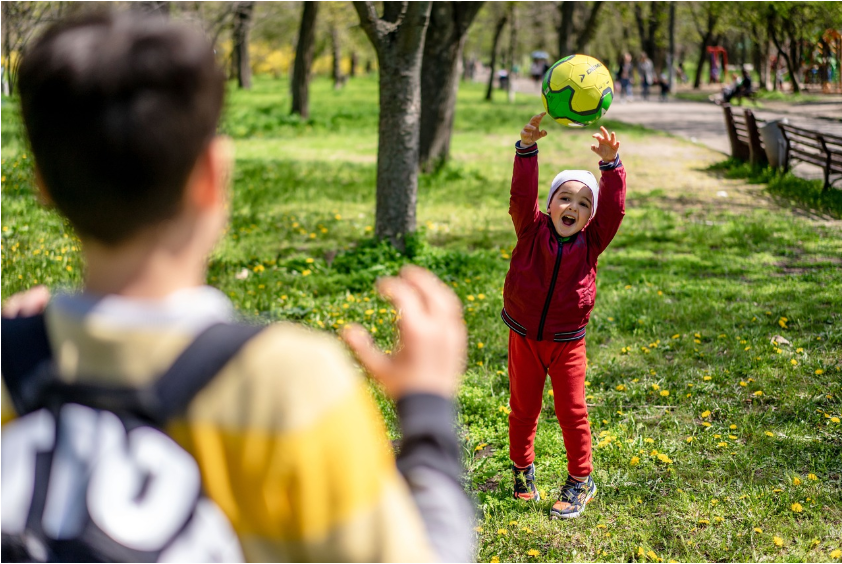
Starting something new can be exciting for children, but it can also feel a little scary. Joining a camp, meeting unfamiliar people, or following a different routine takes time to get used to. Some children jump straight into activities, while others prefer to watch quietly before joining in.
Both reactions are normal. What matters is creating an environment where every child feels welcome, respected, and free to settle in at their own pace.
Make Belonging A Priority
Children are more likely to enjoy a new experience when they feel accepted. A friendly greeting, a simple introduction, or an adult who remembers their name can make a surprisingly big difference. Nobody likes walking into a room full of strangers and wondering where to stand.
Some children adjust quickly, while others need more time to feel comfortable. This can be especially true when they are getting used to new relationships or unfamiliar routines. Adults should avoid rushing them or expecting them to join every activity immediately.
Choose the Right Summer Camp For Adopted Children
Choosing a camp involves more than checking its location or activity schedule. Parents and caregivers should look for supportive staff who understand that children have different backgrounds and experiences. A good camp should make emotional safety just as important as having fun.
When considering a summer camp for adopted children, ask about staff training, supervision, and how counselors handle situations where a child feels overwhelmed or left out. It is also helpful to understand the daily routine and whether activities are suitable for different ages and confidence levels.
Encourage Friendships Naturally
Friendships often begin when children are doing something together. They might discover they both enjoy painting, laugh during a team game, or help each other complete an outdoor challenge. These shared moments can make conversation feel much easier.
Camp activities such as crafts, group games, and nature walks give children something to focus on besides meeting new people. That takes away some of the pressure. Instead of being told to make friends, they get a chance to connect naturally.
Keep Communication Open
Before camp begins, talk with your child about what they can expect. Explain the daily routine, the types of activities, and who they can approach if they need help. Avoid making promises about everything being perfect. Honest answers help children feel prepared.
Give them time to share their worries, even if those worries seem small to an adult. A child who is nervous about sleeping somewhere unfamiliar may need reassurance rather than a quick reminder to be brave.
Celebrate Every Small Step
Progress does not always look dramatic. For one child, it might mean joining a group activity. For another, it could be saying hello to someone new or trying a game they have never played before. Recognize these efforts instead of expecting children to adjust immediately.
A little encouragement can help them feel proud without making them think they must impress anyone. Avoid comparing their progress with other children’s experiences. Positive group activities can help children discover new interests, develop confidence, and feel connected to others.